

I’ve been seeing a ton of social media posts about vernal pools, but, what are they?
What is a vernal pool?
It’s a small, temporary, low-lying area that can fill with water in the spring. They fill up from rising groundwater, increased rains, water runoff, and melting snow. They dry up when the temperatures rise and there is less rainfall.
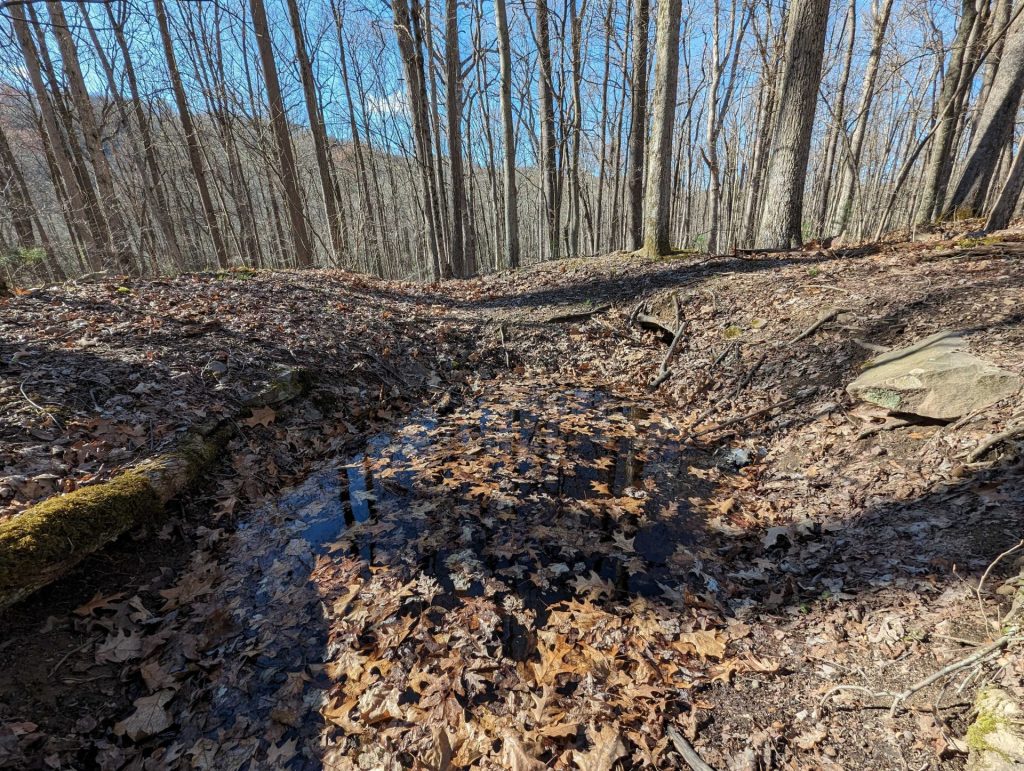
Why are they important?
Amphibians such as frogs, salamanders, and newts love these pools to lay their eggs and reproduce. They’re protected from predators like fish, who cannot live in these temporary bodies of water because the water will dry up. Amphibians often return to the same pool every season to lay their eggs!
Without vernal pools, the numbers of amphibians would decrease drastically, because there would not be a safe place to lay their eggs. Less amphibians mean more of those irritating bugs like ticks or mosquitoes, tadpoles and adult amphibians love to chow down on ticks and mosquito eggs and larvae.
What is an example of a species that needs vernal pools?
One of my favorite springtime pool users is the Spotted Salamander.
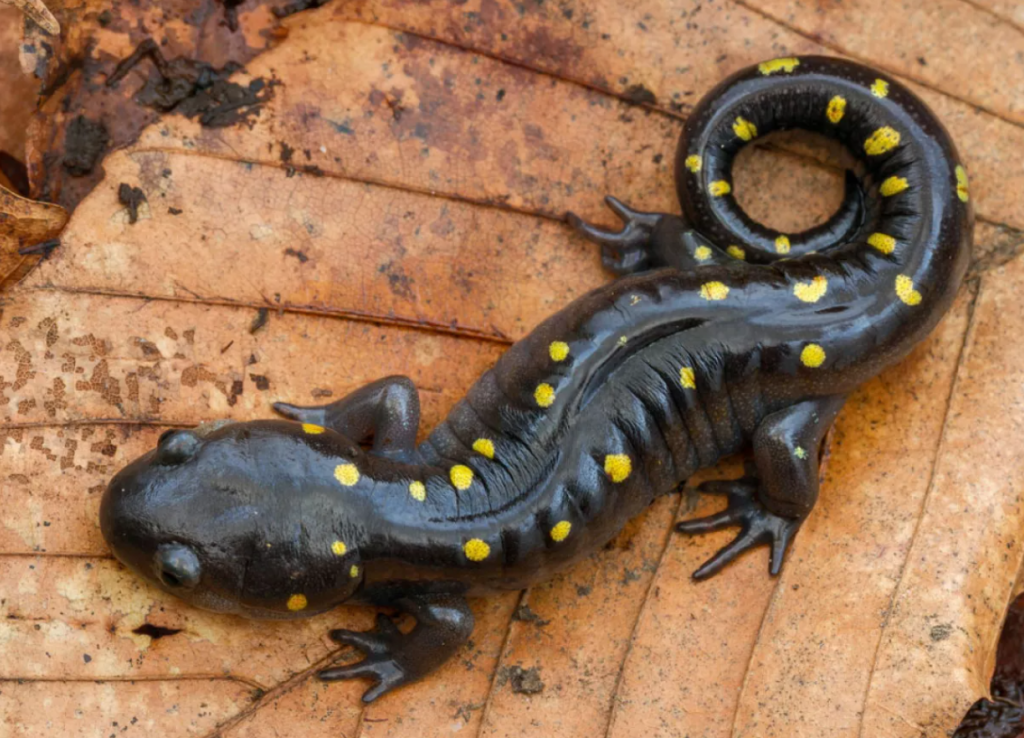
They migrate from their moist forest habitat to a vernal pool to reproduce. These 6-10 inch salamanders travel a whopping average of 300 feet to get to their vernal pool to lay eggs or breed. But when they only move about 80 feet per night, that’s quite the move for their short legs.
National Geographic even took an interest in their nighttime antics. Adult spotted salamanders only travel one or two nights in the spring (mid-March or early April.) On a rainy and dreary evening, they travel to the vernal pool they were hatched in. These nights are known as the ‘Big Night’ and there are groups across the country that help spotted salamanders (and other amphibians) cross roads so they don’t get killed by passing cars.
How can I learn more?
We encourage you to learn more about Pennsylvania’s salamanders who rely on vernal pools. There are some wonderful resources such as the Pennsylvania Natural Heritage Program website. The Nature Conservancy also has some wonderful photos of life under the vernal pool.
Perhaps you want to start your own Salamander Crossing Brigade. There are resources to help!