Spring is an exciting time to be in nature. Every time I go outside, it feels like something new is popping up. Even the sides of the road, still half-covered in anti-skid grit from the winter, boast tiny green shoots.
Lots of special habitats exist only in the springtime – small trickles turn into streams, puddles become pools filled with life, and empty patches of ground bloom with delicate wildflowers. Each of these things has a special, essential place in the ecosystem that our wildlife would have a hard time doing without. Let’s dive in!
Ephemeral Streams
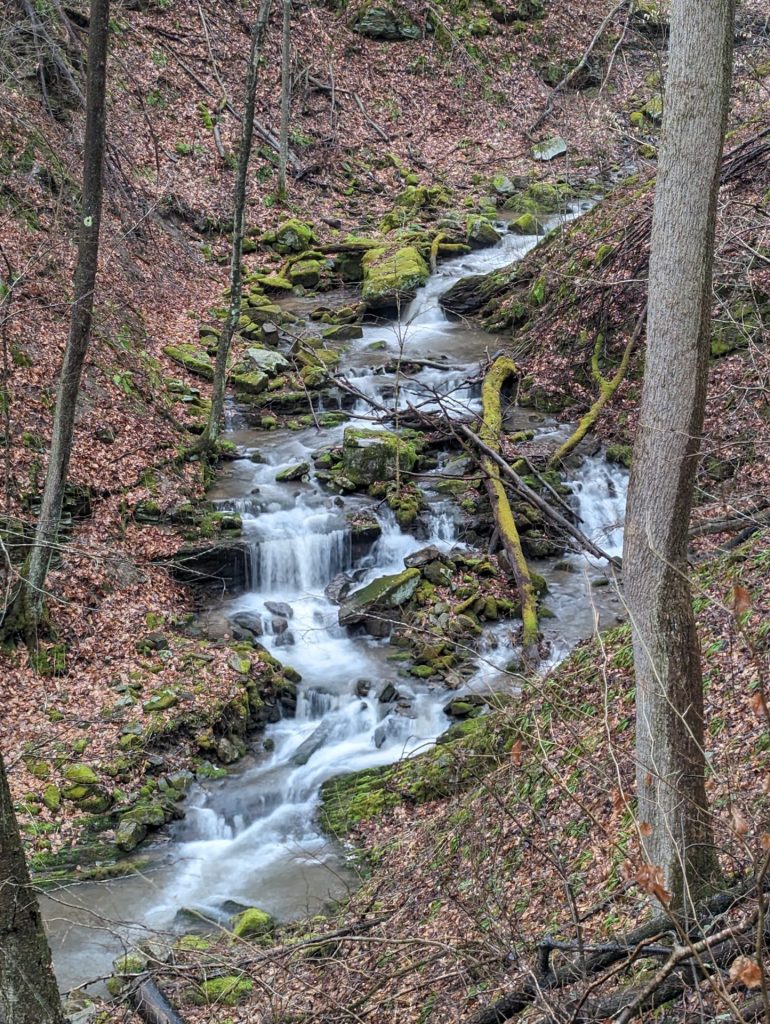
In the spring, you’ll notice a small stream gushing down a hillside after a big rainstorm. This is an ephemeral stream. These fleeting waterways are rain-dependent, and they flow only after precipitation.
Small streams, including those that don’t flow all of the time, make up the majority of the country’s waters. They could be a drizzle of snowmelt that runs down a mountainside crease, a small spring-fed pond, or a depression in the ground that fills with water after every rain and overflows into the creek below.
Despite their temporary appearance, ephemeral streams are critical to the health of river systems. Ephemeral streams flow into larger downstream waters, maintain water quality for drinking water, recharge groundwater, and keep dangerous pollution from entering larger waters.
Ephemeral streams also provide shelter, seasonal feeding areas, and breeding habitats. Many species depend on these waters for life. Additionally support vegetation closest to their flow. Researchers use the presence of vegetation in these regions as a predictive measure for the occurrence of these streams, as life could not exist as freely without it.
Vernal Pools
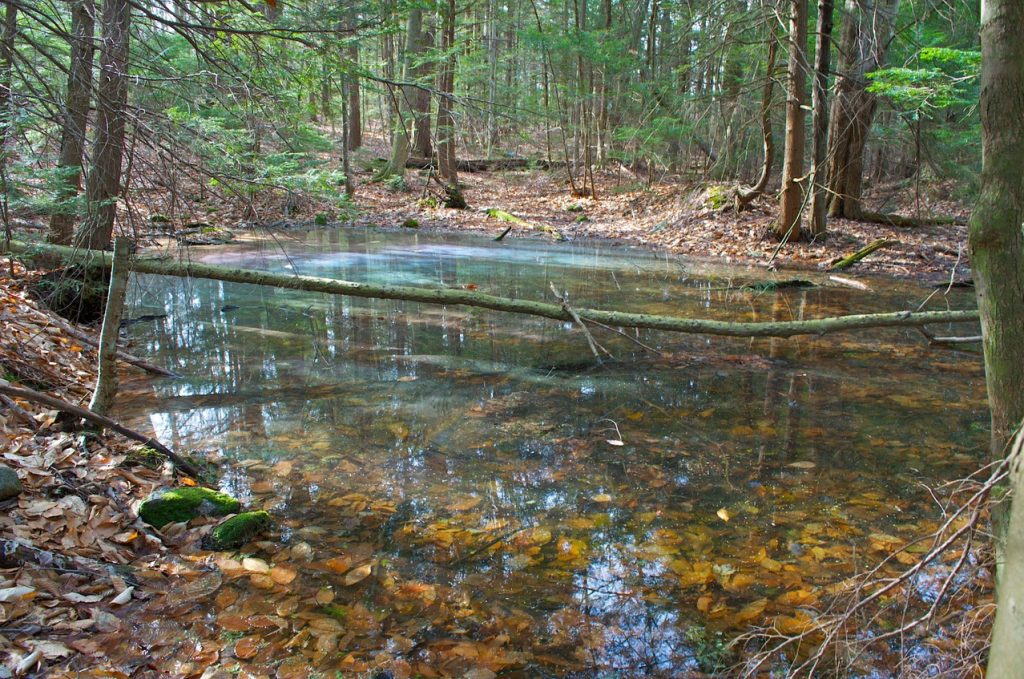
Have you ever heard a chorus of spring peepers on a warm spring evening, and gone to investigate? Following the sound probably led you to a vegetated, marshy area that’s not always wet, and is currently full of mating frogs. This sudden wetland is a vernal pool!
Vernal pools are seasonal depressional wetlands that occur in our wet springtime climate. They are covered by shallow water for a little while from winter to spring, but may be completely dry for most of the summer and fall. During a single season, these pools might fill and dry a few times. In a drought, some pools may not fill at all.
The unique environment in our vernal pools provide habitat for numerous plants and animals. These waters serve as essential breeding habitat for salamanders, frogs, and even crustaceans like the springtime fairy shrimp. In addition, birds such as egrets, ducks, and hawks use vernal pools as a seasonal source of food and water.
Without vernal pools and the critical terrestrial habitat around them, there would be a local loss of amphibian species, a decrease in biodiversity, and a decline in food available for many other animals that live in these areas.
Ephemeral Wildflowers
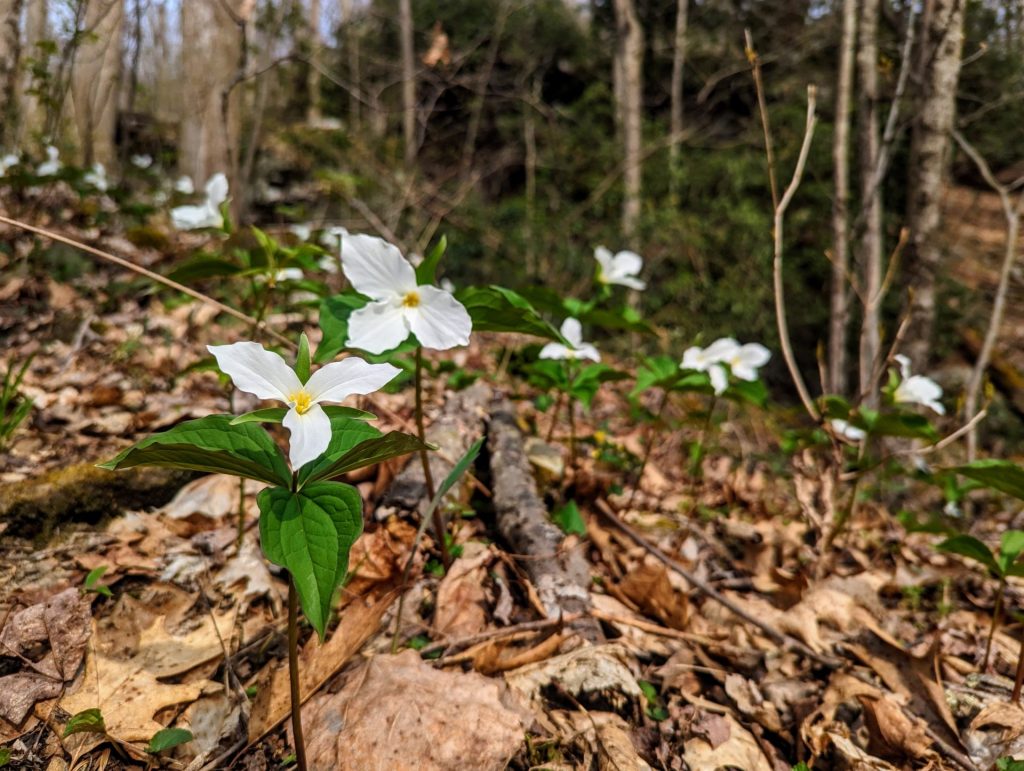
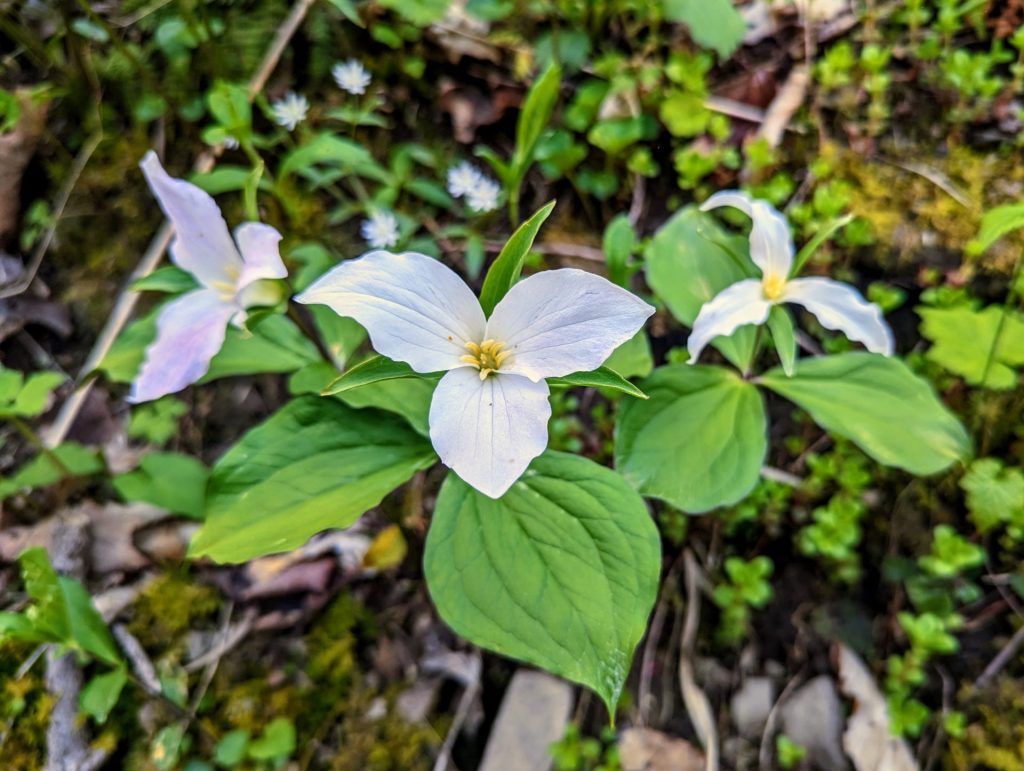
Perhaps the showiest springtime occurrence is the seasonal wildflower bloom. (MWA even holds a Birds & Blooms hike in May to celebrate the flowers!) This time of year, you’ll see trillium, Dutchman’s breeches, snowdrops, spring beauties, violets, jack-in-the-pulpit, and more along the trails.
Spring ephemeral wildflowers, as their name suggests, bloom for a short time each spring. As understory forest dwellers, they only have a short window to grow between frozen ground in winter and full shade of the summer canopy. These plants bide their time underground as lowly root tissue for most of the year, and sprint to photosynthesize, flower, and produce seeds in the early spring when there is ample light reaching the forest floor.
These flowers are pretty, but their importance goes way further than their aesthetic value. Our entire eastern forest biome relies on pollinating insects, who assist in the reproduction of around 90% of flowering plants (which comprise 80% of all living plants worldwide). Without pollinators, our planet would largely fail to produce food.
In the early spring, there isn’t much nectar for pollinators to eat – and that’s where spring ephemerals come in. These flowers are also valuable food for non-pollinating insects that can digest only certain plant tissues. Insects then convert plant material into protein-rich nutrition for larger animals, which also need nutrient-dense foods at the end of winter.
Ideal forests for spring ephemeral wildflowers are ones that have few invasive plants, high diversity of native trees and shrubs, and a light deer population – conditions that are increasingly hard to find in the world.
The importance of these fleeting streams, pools, and flowers can’t be overstated. That’s why MWA works to protect and preserve our native habitats and stop pollution that contaminates or destroys crucial headwater streams. Long live the ephemerals!