What is a Wildlife Corridor?
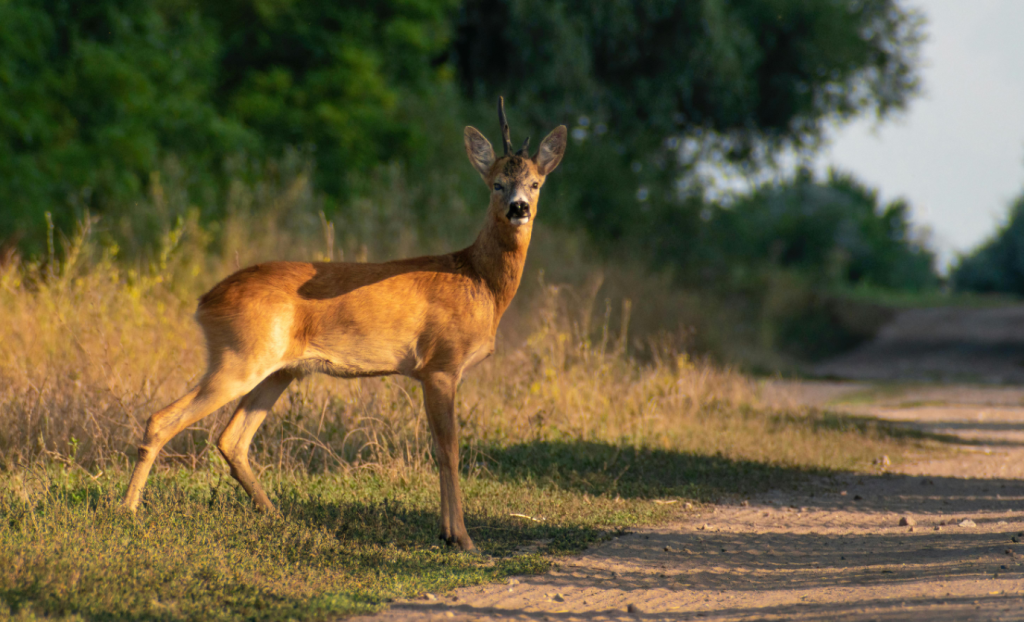
A wildlife corridor, simply put, is a passageway or path of movement that wildlife use to complete their life cycle. A corridor can refer to seasonal migration routes; used to access feeding, mating, or overwintering grounds, or corridors can also be daily paths that wildlife use to get to water, escape predation, or avoid competition and others of their own species. Corridors are the mechanism that connect habitats so animals can travel throughout their range.
“A species range is the area where a particular species can be found during its lifetime. Species range includes areas where individuals or communities may migrate or hibernate. Every living species on the planet has its own unique geographic range.”
-National Geographic Society
Unfortunately, as the modern world continues to urbanize and industrialize, these pathways are being severed and those habitats are being fragmented. Things like highways and housing developments are popping up in historically undeveloped areas, severing the connection between habitats. These areas may have been used by generations of animals to bypass human territories and connect to other populations. The severing of corridors not only affects the persistence of a population, but it also increases human/wildlife conflict. Car and wildlife collisions continue to be a concern for insurance companies and biologists alike.
Why are corridors important?
As mentioned, corridors are needed so populations of wildlife can complete their life cycle. All living things need these connections. Most often we think about animals like mammals or birds when talking about wildlife, but all animals, plants, even fungi benefit from corridors. Severing wildlife corridors compromises the genetic variability of wildlife that would otherwise be able to move freely through their range.
By reducing the connectivity between habitats, an “island” is essentially formed. “Islands” isolate populations of a species and reduce the genetic flow between those populations and thus the genetic diversity. Reducing genetic diversity of a species contributes to the risk of extinction or extirpation of that organism. You can think of the genetic bank of a species as a tool box, as habitats evolve and conditions change, natural selection drives the genes (tools) that persist, which contribute to the survival and reproductive success of a species. If you continue to reduce the available genes (tools) and the environment continually changes, populations will have less genes (tools) to choose from or select for, making it harder to “get the job done.” It becomes harder for that species to evolve and adapt to its changing environment over time.

“Extirpation is the complete removal of a plant or animal species from a specific area, such as a region, island, or geographic area. It’s also known as local extinction.”
-USGS
The Wildlife Corridors Conservation Act
The Wildlife Corridors Conservation Act was established in 2019 as a National Wildlife Corridors System meant to designate national wildlife corridors on federal public lands, and secure funding for states, tribes, and other entities to protect wildlife corridors on non federal lands. The bill directs federal land and water management agencies to collaborate with each other, as well as with states, tribes, local governments, and private landowners, to manage national wildlife corridors according to the habitat connectivity needs of native species. The bill also creates a publicly available National Wildlife Corridors Database to inform corridor protection. Establishing this program is considered a critical step forward in protecting and restoring fish, wildlife, and plant species populations across our nation’s lands and waters. (Via Wildlands Network)
To learn more access the Wildlands Network Informational packet here.
How can you help?
If you are concerned about the conservation of your local wildlife and conservation of the land that contributes to the wildlife in your region, you can help advocate for local issues.
A local migration corridor located atop the Allegheny Mountain Tunnel in Somerset County, Pa may be demolished in favor of a day-lighted version. That cut would sever a very important wildlife corridor that connects populations of mammals, birds, amphibians, and reptiles from the lower Appalcian mountains to the Pennsylvania Wilds in the northern part of the State. The Nature Conservancy has identified the land above the Allegheny Tunnel as a part of the Allegheny Front and Considers it a “Priority Resilient Connected Network” in Pennsylvania.
To learn more about this issue and get involved check out Save the Allegheny Mountain.
